The current competitive beauty and personal care industry makes packaging much more than a box. The first physical encounter between a brand and its consumers is an excellent means of communication, differentiation, and building trust. Converting a first concept into packaging that is appealing aesthetically and also capable of production must be done in a well-organized way. The UKPACK 3F Services model has been developed with the aim of assisting the brands throughout all the vital points that lead them comfortably through the rough sketches to actual solutions that are ready to enter the market.
Developing Powerful Bases with Concept Design
The process starts with the knowledge. Prior to any technical activity, designers are busy with the learning brand story, target market, and product position. The initial sketches and conceptions are to be translated into the orderly design concepts characterizing shape, size, material orientation, and functional elements like closures or applicators. This step is necessary since it determines the visual and technical structure that will be used in the subsequent steps.
Design is done creatively and in a practical manner. The market trends, user experience, and the possibility of production of the concept are taken into consideration, such that the concept is not only appealing but also realistic to be manufactured. By identifying the possible problems at such an early stage, the design process proceeds at a more efficient pace with fewer revisions.
Realistic 3D Image Visualization
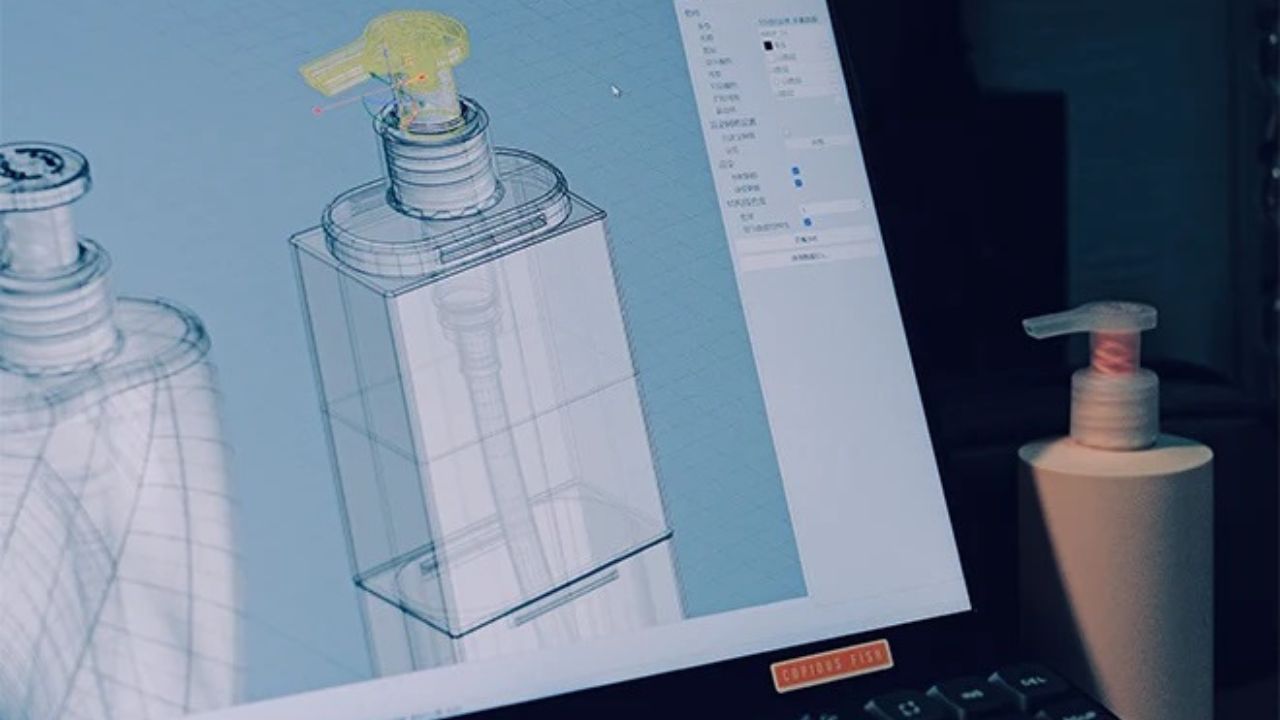
Once the design concept is developed, it is time to focus on visualization. The 3D technology of packaging is more advanced to produce very realistic images of the packaging, and this way, the brand can view its product even before it is physically available. Such graphics can be used to show the surface finishes, color changes, brand placement, and texture of the materials under various lighting conditions.
This step is an important decision-making stage. The teams will be able to assess the shelf presence, brand visibility, and aesthetic harmony with confidence. Any corrections can be implemented swiftly and accurately, and it minimizes the chances of errors or expensive alterations in the future. In most cases, 3D renderings are used to give credibility to the design, so that it represents what the company wants it to look like before proceeding.
Digitizing Digital Designs into Hard Copies
Although digital visualization is very clear, physical examination is still priceless. The stage of mockup introduces designs into the actual environment through the rapid prototyping methods, including 3D printing. These prototypes are copies of the outer look of the final packaging, and the teams can evaluate the scale, proportions, and visual effects with their hands.
Mockups are especially suitable in terms of in-house alignment and presentation to the stakeholders. The physical model is useful in validating decisions made during the design and pointing out any last-minute changes to be made prior to manufacturing. Though not functional, these prototypes are a sure point of reference when it comes to aesthetics, decoration, and general form.
Minimizing Risk and Smoothing
One of the major strengths of the 3F packaging services model is the fact that it minimizes uncertainty. Through the validation of ideas by designing, visualizing, and physical review, brands can be confident in every step. The problems that may arise are detected at an early stage, and thus, this saves time and avoids any unnecessary costs incurred in the process of production.
It is also a systematic way of reducing development cycles. Definite designs, approved images, and tested mockups enhance the interaction between innovative teams and production partners. Consequently, any movement of concept to mass production becomes more effective, which facilitates quicker and easier product initialization.
Branding Clusters: Idea to Market
UKPACK, being a cosmetic packaging design partner, uses the 3F approach to packaging services to guide the brands through the bewilderment of packaging development with ease and assurance. The process inherits the ability to combine creative skills with technical knowledge to make sure that the ideas are translated into the packaging solutions that are aesthetically convincing and commercially sound. The approach helps both new labels and well-known participants to develop a product brand as it provides a straightforward channel between vision and reality.
Conclusion
Starting with a set of sketches and physical models, the model of the 3F packaging services is an illustration of the effectiveness of a stepwise process when it comes to turning a creative concept into a packaging that is ready to be used in the marketplace. Through strategic design and realistic visualization coupled with physical evaluation, the brands are better placed to make sound decisions at every level. Through this process, UKPACK can bridge the gap between idea and reality and, therefore, packaging not only looks impressive but is also prepared to succeed in the competitive business environment.